
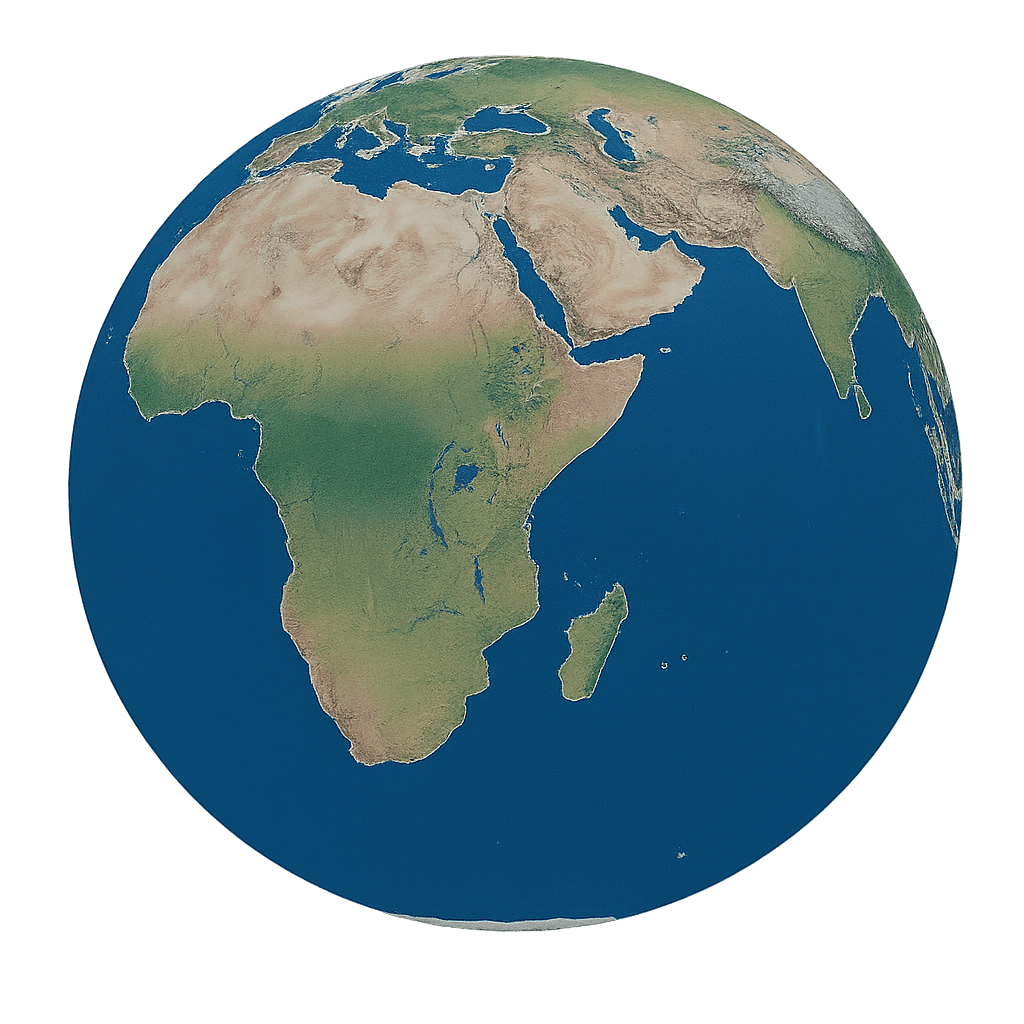
Ebola Emergency in Eastern Congo: Congo authorities report the outbreak has passed 6,000 confirmed cases and 2,911 deaths, with 1,360+ recoveries. The spread is being driven by insecurity, displacement, a health workers’ strike, and intense population movement, and the World Health Organization says it remains out of control and could surpass the 2014–2016 West Africa toll. Response Under Pressure: A response team was attacked while securing a body, forcing staff to flee—highlighting how violence is disrupting care and safe burials. Vaccination Moves Forward: Congo has begun vaccinating frontline workers with Ervebo, while clinical trials continue for the rare Bundibugyo virus behind this outbreak, which currently has no approved vaccine or treatment. School Resumption Sparks Concern: Despite fears from parents and teachers in the epicenter, classes resumed in Ituri; some schools report low attendance, and health measures like sanitizers and hygiene awareness are being introduced, though many areas still lack clean water and funding.
AGP Executive Report
Your go-to archive of top headlines, summarized for quick and easy reading.
Note: AI summary from news headlines; neutral sources weighted more to help reduce bias in the result. Feedback is welcome. Please let us know if you have any comments or suggestions about the AGP Executive Report.
Ebola Surge in Eastern Congo: Congo’s authorities say the fastest-growing Ebola outbreak has passed 6,000 confirmed cases, with 2,911 deaths, and more than 1,360 recoveries. New Hotspots: The outbreak has spread into two additional health zones—Biena and Manguredjipa in North Kivu—bringing affected areas to 60, with higher fatality rates reported locally. Why It’s Spreading: Health officials point to insecurity, displacement, a health workers’ strike, and intense population movement, while the WHO warns the outbreak is still out of control and could surpass the 2014–2016 West Africa epidemic. Vaccination Push: Congo has started vaccinating frontline health workers with Ervebo, and clinical trials are underway for a licensed vaccine for the rare Bundibugyo virus, which currently has no approved treatment. Funding Gap: UN Secretary-General António Guterres says an extra $1.1 billion is urgently needed, with the UN response plan only 48% funded. School Safety Concerns: Parents and teachers in the epicenter region are urging authorities to delay school reopening because the outbreak still poses too great a risk to children.
Ebola Surge in Eastern Congo: Congo authorities say the fastest-growing Ebola outbreak has topped 6,000 cases, with 2,911 deaths, and WHO warns it’s still out of control and could surpass the 2014–2016 West Africa toll. New Hotspots: The outbreak has spread to two more health zones—Biena and Manguredjipa in North Kivu—bringing affected areas to 60, with higher fatality rates linked to delayed response. Vaccination Push: Congo has started vaccinating frontline health workers with the Ervebo vaccine, while trials continue for a licensed option against the rare Bundibugyo virus. Strained Response on the Ground: Officials cite insecurity, displacement, a health workers’ strike, and intense population movement as key reasons tracking and containment are falling behind. School Safety Concerns: Parents and teachers in Ituri are urging authorities to delay school reopening, warning children face too great a risk as the outbreak continues to spread.
Ebola Emergency in Eastern Congo: Congo’s fastest-growing Ebola outbreak has surged to 60 affected health zones after spreading into Biena and Manguredjipa in North Kivu, with 5,794 confirmed cases and 2,786 deaths reported; officials warn the outbreak is moving faster than tracking and containment efforts, amid insecurity, displacement, a health workers’ strike, and heavy population movement. Frontline Protection: Congo has begun vaccinating health workers and other frontline responders with Ervebo, while clinical trials continue for a licensed vaccine for the rare Bundibugyo strain driving this outbreak. Community Impact: Parents and teachers in the epicenter region are urging authorities to delay school reopening as the risk to children remains high, with young children facing the worst outcomes. Funding Pressure: The UN says an additional $1.1 billion is urgently needed, warning that without more money, key operations may run out just as the response must expand.

Ebola Response in Eastern Congo: Congo’s fastest-growing Ebola outbreak has surged again, spreading to two new health zones—Biena and Manguredjipa in North Kivu—bringing the total affected areas to 60. Health authorities report 5,794 confirmed cases and 2,786 deaths, with a 48% overall fatality rate and higher deaths in the newly hit zones, blamed on delayed response. Vaccination Push: Congo has started vaccinating frontline health workers with the Ervebo vaccine, while clinical trials continue for a licensed option against the rare Bundibugyo virus driving this outbreak. Funding Pressure: The UN says an additional $1.1 billion is urgently needed, warning that key operations could run out of money as the crisis expands amid insecurity, displacement, and health worker strikes. Community Impact: Parents and teachers in the outbreak’s epicenter are urging authorities to delay school reopening, citing the ongoing risk to children.
Ebola Response in Eastern Congo: Congo’s fastest-growing Ebola outbreak has surged to 60 affected health zones, with Biena and Manguredjipa added in North Kivu. Health authorities report 5,794 confirmed cases and 2,786 deaths, while the overall fatality rate is 48%—higher in the newly hit areas, blamed on delayed response. Frontline Vaccination: Congo has begun vaccinating health and frontline workers with Ervebo to protect responders while clinical trials continue for a licensed vaccine for the rare Bundibugyo strain. Response Strain: Officials say insecurity, displacement, a health workers’ strike, and heavy population movement are making containment harder, and WHO warns the outbreak could surpass the 2014–2016 West Africa epidemic. School Safety Pressure: In Ituri, parents and teachers are urging authorities to delay school reopening as infections outpace containment efforts, citing the high risk to young children.
Ebola Response in Eastern Congo: Congo’s fastest-growing Ebola outbreak has surged to 60 affected health zones after spreading to Biena and Manguredjipa in North Kivu, with 5,794 confirmed cases and 2,786 deaths; officials warn the fatality rate is higher in the new areas due to delayed response, while insecurity, displacement, a health workers’ strike, and heavy population movement keep slowing containment. Vaccination Drive: Congo has started vaccinating frontline health workers with the Ervebo vaccine to help curb transmission as clinical trials continue for a licensed option for the rare Bundibugyo virus. School Safety: In Ituri, parents and teachers are urging authorities to delay the Sept. 1 school reopening, saying children—especially the youngest—face unacceptable risk while the outbreak remains out of control. Global Funding Pressure: UN Secretary-General António Guterres says an extra $1.1 billion is urgently needed because the UN’s Ebola plan is only 48% funded, warning vital operations could run out as the outbreak expands. Other Health Alerts (Regional): Outside Congo, WHO reports a sharp rise in several infectious diseases in Afghanistan, including dengue, measles, and respiratory illnesses.
Ebola Response in Eastern Congo: Congo’s fastest-growing Ebola outbreak has surged to 60 affected health zones after spreading to Biena and Manguredjipa in North Kivu, with 5,794 confirmed cases and 2,786 deaths; officials warn the fatality rate is higher in the new areas (48% overall) as insecurity, displacement, a health workers’ strike, and heavy population movement disrupt care and tracking. Vaccination Drive: Health Minister Roger Kamba says frontline workers are now being prioritized for Ervebo vaccine doses, while clinical trials continue for a licensed option for the rare Bundibugyo virus behind this outbreak. School Safety Pressure: In Ituri, parents and teachers are urging authorities to delay the Sept. 1 school reopening, saying children face too much risk while the outbreak remains out of control. Global Funding Call: The UN says an additional $1.1 billion is urgently needed, warning that without more money, key operations may run out as the response must expand. Other Health Watch: WHO reports sharp increases in several infectious diseases in Afghanistan, including dengue, measles, acute watery diarrhea, and respiratory infections.
Ebola Response in Eastern Congo: Congo’s Ebola outbreak is accelerating fast. Health authorities report it has spread to two new health zones—Biena and Manguredjipa—bringing the total to 60 zones affected, with 5,794 confirmed cases and 2,786 deaths. The spread is being driven by insecurity, displacement, a health workers’ strike, and heavy population movement. Vaccination Rollout: Congo has started vaccinating frontline workers with the Ervebo vaccine, while clinical trials continue to find a licensed jab for the current Bundibugyo strain. Funding Pressure: The UN says an additional $1.1 billion is urgently needed, warning the response plan is only 48% funded and key operations could run out of money. School Safety: Parents and teachers in Ituri are urging authorities to delay school reopening set for Sept. 1, saying the outbreak still poses too much risk to children.
Ebola Vaccines Roll Out: Congo has begun vaccinating people to slow the fastest-growing Ebola outbreak on record, prioritizing frontline health workers with Ervebo doses while clinical trials continue for the current strain. Outbreak Toll Rises: Health ministry data says the outbreak has reached 5,514 cases and 2,642 deaths, including 317 deaths in the past week, with experts warning the real scale could be much larger. School Safety Pressure: Parents and teachers in Ituri are urging authorities to delay school reopening as infections keep outpacing containment, with schools planned to restart Sept. 1. Community Response Under Strain: Youth-led Ebola awareness efforts in Beni continue after attacks on response teams, burial crews, and treatment centers, highlighting how insecurity is complicating care. Regional Health Links: Namibia and the Republic of Congo signed MoUs to strengthen cooperation in health and culture/arts. Other Health Watch: WHO reports sharp increases in Afghanistan’s infectious diseases, including dengue, measles, COVID-19, and acute watery diarrhea.
Ebola Crisis in Eastern Congo: Parents and teachers in Ituri are urging Congo to delay school reopening as Ebola keeps spreading faster than response efforts, with the outbreak now reported at 5,713 confirmed cases and 2,744 deaths, and many new infections still found outside monitored contacts. Weekly Death Toll Update: Government data says more than 300 people died in the past week, bringing totals to 5,514 cases and 2,642 deaths, while experts warn the real scale could be up to three times higher. WHO Vaccine Move: WHO says Congo will receive 70,000 doses of the Ervebo Ebola vaccine to help frontline workers and support clinical trials as the outbreak threatens to surpass the deadliest on record. Community Response Amid Attacks: Youth caravans in Beni are stepping up Ebola awareness after attacks on burial teams and treatment centers, pushing for safer access to care in a region shaken by insecurity. Health Watch Beyond Congo: WHO reports a major dengue surge in Afghanistan, alongside rising COVID-19, diarrhea, and respiratory infections, highlighting strain on health systems.
Ebola Emergency in Eastern Congo: Congo’s Ebola outbreak is accelerating fast, with government figures showing 5,514 cases and 2,642 deaths as of Saturday, including 317 deaths in the past week; experts warn the real toll could be up to three times higher because spread may have started weeks before confirmation. Vaccine Push: WHO says Congo will receive 70,000 doses of the Ervebo Ebola vaccine—20,000 for a Phase 3 trial and 50,000 for frontline and health workers—aimed at boosting protection while the outbreak rages across six provinces. Response Under Strain: The UN says the outbreak is spreading faster than teams can respond, with many deaths occurring outside treatment centers and distrust plus insecurity complicating contact tracking and care. Malaria Alert at Frankfurt Airport: Two airport workers in Germany died and five fell ill with malaria, with authorities investigating whether infected mosquitoes arrived by aircraft and setting up mosquito traps for genetic testing.
Ebola Response in Congo: Congo’s Ebola outbreak is worsening fast. Government data says 5,514 cases and 2,642 deaths as of Saturday, with 317 deaths reported in the last week alone. Health experts warn the real toll could be up to three times higher because the virus may have been spreading before it was officially confirmed. Vaccine Push: WHO says Congo will receive 70,000 doses of the Ervebo Ebola vaccine—20,000 for a Phase 3 trial and 50,000 for front-line health workers—aimed at helping contain the outbreak, including clinical trial use for the Bundibugyo strain. Community Safety & Access: In Beni, young people are running an Ebola awareness caravan after attacks on response teams, including burned treatment centers and injuries to burial teams—showing how insecurity is blocking care and slowing containment. Regional Health Cooperation: Namibia and the Republic of Congo signed MoUs in Brazzaville to strengthen cooperation in health, culture, and the arts.
Ebola Response in Congo: Congo’s Ebola outbreak is worsening fast. Government data says lab-confirmed cases have reached 5,515 and deaths 2,642, with 317 deaths reported in the last week alone. Health experts warn the real toll could be up to three times higher because the virus may have been spreading before official confirmation. The outbreak is hitting multiple provinces in eastern Congo, with many new cases coming from people not previously listed as monitored contacts, and fatality rates reported as high as 68.6% in hard-to-reach areas. Vaccines and Frontline Protection: WHO and partners announced Congo will receive 70,000 doses of the Ervebo Ebola vaccine—20,000 for a Phase 3 trial and 50,000 for frontline and health workers—aimed at boosting protection while clinical trials assess impact against the Bundibugyo strain. Community Pushback and Safety: In Beni, young people staged an Ebola awareness caravan after attacks on response teams, including burned treatment centers and injuries to burial teams, as insecurity and distrust continue to disrupt care. Regional Health Cooperation: Namibia and the Republic of Congo signed health cooperation MoUs in Brazzaville, aiming to turn ties into practical benefits.
Ebola Crisis Update (Congo): Eastern Congo’s Ebola outbreak is worsening fast. Health ministry data says lab-confirmed cases reached 5,515 and deaths 2,642, with 317 deaths in the past week and a 47.9% overall fatality rate; experts warn the real toll could be up to three times higher because spread may be undercounted, especially in hard-to-reach areas. Vaccines & Response: WHO and partners announced Congo will receive 70,000 doses of the Ervebo vaccine, including 20,000 for a Phase 3 trial and 50,000 for frontline and health workers, as the outbreak spreads across six provinces and many patients die outside treatment centers. Community Action Amid Attacks: In Beni, young people launched an Ebola awareness caravan after attacks on response teams, burial staff, and treatment centers, urging more support for communities facing insecurity and distrust.
Ebola Emergency: Eastern Congo’s Ebola outbreak is worsening fast, with the Health Ministry reporting 5,514 lab-confirmed cases and 2,642 deaths as of Saturday, including 317 deaths in the last week—one of the highest weekly tolls yet. Surveillance Gaps: Experts warn the real outbreak could be up to three times larger, with many new cases found outside monitored contacts and detection estimated at only 30% to 40% of cases. Vaccine Boost: WHO and partners say Congo will receive 70,000 doses of the Ervebo vaccine; 20,000 will support a Phase 3 trial for the current Bundibugyo strain, while 50,000 will go to frontline and health workers. Community Pressure: In Beni, youth caravans are stepping up Ebola awareness after attacks on response teams, burned treatment centers, and injuries to burial staff, as insecurity and distrust continue to slow the response.
Ebola Surge in Eastern Congo: Congo’s Ebola outbreak has climbed to 5,515 lab-confirmed cases and 2,642 deaths (about 47.9% mortality), with 51 new cases reported in a day and contact monitoring at 85.5%—but health workers warn the real scale may be far higher as the virus spreads beyond monitored contacts. Vaccine Boost: WHO and partners say Congo will receive 70,000 doses of Ervebo; 20,000 will support a Phase 3 trial for the current Bundibugyo strain, while 50,000 go to frontline and health workers, as the outbreak is described as the fastest in history. Community Pushback & Access Strain: Youth in Beni staged an Ebola awareness caravan after attacks on response teams, including burned treatment centers and injuries to burial teams—highlighting how insecurity and distrust are slowing response efforts. New Protective Research: A US-led team identified a protective antibody target against Crimean-Congo hemorrhagic fever (CCHF), a WHO-priority zoonotic disease with up to 40% mortality, offering a potential path toward future antibody-based protection.
Ebola Vaccine Boost: WHO and partners say Congo will receive 70,000 doses of the Ervebo Ebola vaccine, with 20,000 reserved for a Phase 3 trial and 50,000 for front-line health and high-risk workers—an urgent step as the outbreak keeps accelerating. Outbreak Worsens Fast: Congo’s Ebola situation has now passed the 5,000-case mark, with UN officials warning the virus is spreading faster than the response can keep up, driven by insecurity, displacement, and low detection of cases. Community Pushback Amid Violence: In Beni, young people and NGOs—supported by WHO—are running bicycle caravans to raise Ebola awareness after attacks on burial teams and burned treatment centers, showing how fear and hostility are complicating containment. Access and Control Challenges: M23 rebel authorities have imposed new travel restrictions to curb Ebola spread after cases were detected in a rebel-controlled area, adding another layer of difficulty for health workers operating across conflict zones. Regional Health Cooperation: Namibia and the Republic of Congo signed MoUs to strengthen cooperation in health and culture, aiming to turn ties into practical benefits.
Ebola Response Under Strain: In eastern Congo, youth in Beni marched and rode bicycles to boost community involvement in Ebola response after attacks on burial teams and the burning of treatment centers in Mongbwalu and Rwampara, with organizers linking the violence to deeper insecurity and public distrust. Outbreak Escalation: Congo’s Ebola outbreak has surged past 5,000 cases, with authorities and Africa CDC warning it has not peaked and may be far larger than current counts as fewer than 10% of cases come from known contacts. UN Alarm: The UN says the outbreak is spiraling out of control, spreading faster than responders can manage, and highlights the challenge of fighting Ebola in conflict-affected areas. Vaccine Boost: WHO and partners announced Congo will receive 70,000 doses of Merck’s Ervebo, including 20,000 for a Phase 3 trial and 50,000 for frontline health workers, as officials work to contain the fastest-moving Ebola outbreak on record. Access Blocked by Conflict: M23 rebels imposed a month-long suspension of shared taxis and passenger boats after Ebola was detected in a rebel-controlled village, aiming to curb spread while fighting continues.
Ebola Vaccine Boost: WHO says Congo will receive 70,000 doses of the Ervebo Ebola vaccine, with 20,000 doses for a Phase 3 trial and 50,000 for front-line health workers, as the outbreak is driven by Bundibugyo ebolavirus and response teams push vaccination plus surveillance. Outbreak Escalation: New reporting warns Congo’s Ebola spread has not peaked and could be far larger than current counts, with UN officials saying the virus is outpacing the response and has already reached over 5,000 confirmed cases and thousands of deaths across eastern provinces. Containment Pressure: Health responders report the outbreak is moving about three times faster than the 2014–2016 West Africa wave, with insecurity, displacement, and distrust complicating contact tracing and care. Health System Disruption: In eastern Congo, fighting and rebel-controlled areas are adding barriers, including travel restrictions meant to slow spread, while health teams face attacks during response efforts. Public Health Updates: WHO also confirmed polio type 2 outbreaks have been closed in five African countries, including the Republic of Congo, after targeted vaccination and surveillance.
Sign up for:
World Health Republic of Congo
The daily local news briefing you can trust. Every day. Subscribe now.
Check Your Email!
We sent a one-time activation link to: .
Confirm it's you by clicking the email link.
If the email is not in your inbox, check spam or try again.
Welcome back!
is already signed up. Check your inbox for updates.